Complete Guide to East Bay Retrofit Construction
Full-Scale Construction Solutions for Every Project
Thorough building solutions are critical for the effective oversight of any building project. They enable smooth coordination across all stages, guaranteeing clear dialogue and collaboration among groups. This approach not only minimizes delays but also enhances compliance with financial and scheduling constraints. As stakeholders seek higher quality outcomes, understanding the various services available becomes increasingly important. What specific elements contribute to a project's success, and how can they be effectively implemented?
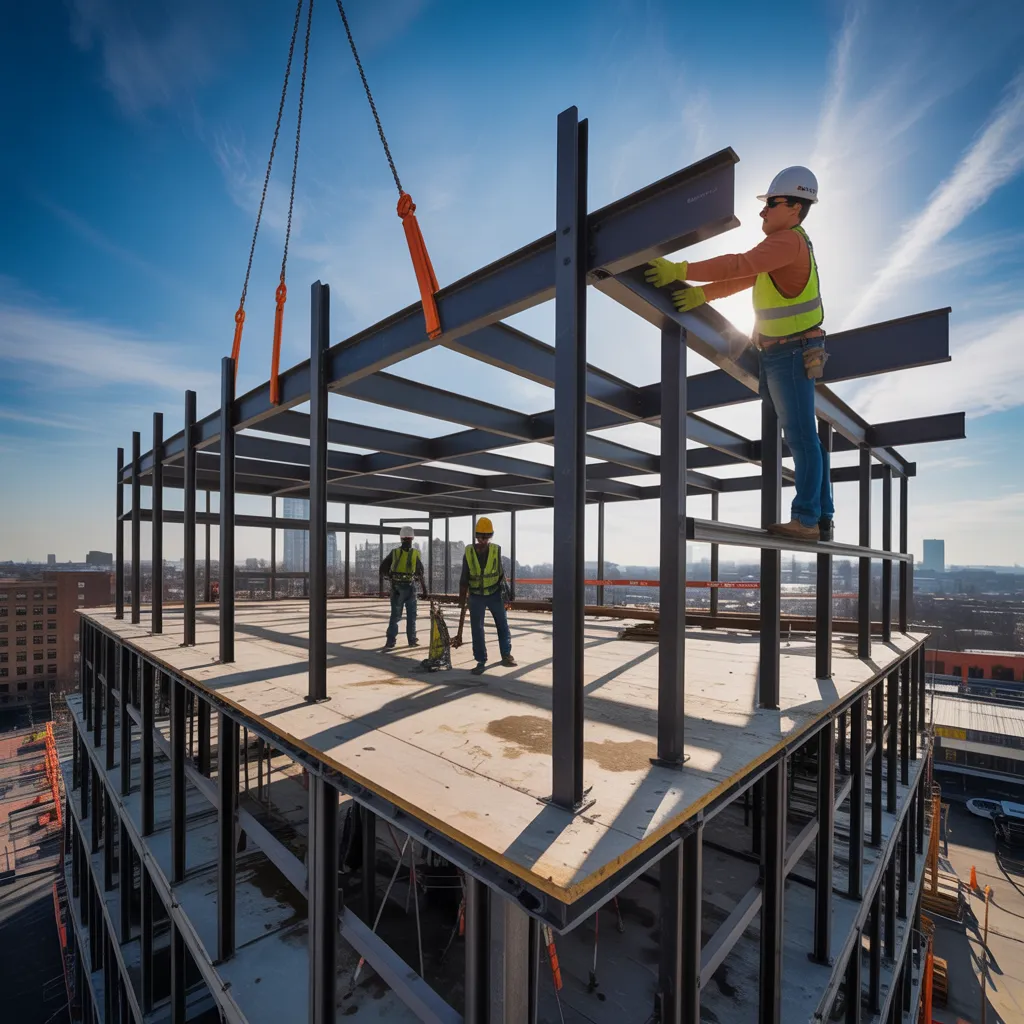
Why Full-Scale Construction Services Are Important
Thorough construction services are crucial because they optimize the building process, ensuring that all project phases are integrated effectively. These offerings encompass a variety of tasks, such as strategy, development, and execution, which support the final outcome of an project. By coordinating various teams and resources, comprehensive building solutions decrease the likelihood of misunderstandings and delays.
Additionally, they reinforce commitment to timelines and budgets, mitigating potential issues proactively. This amount of organization nurtures a collaborative environment, letting stakeholders to share information openly and efficiently.
Additionally, extensive services ensure compliance with local regulations and safety standards, minimizing risks connected with construction activities. Overall, the incorporation of detailed construction services improves project quality, resulting in durable and sustainable outcomes. In an industry where precision matters, such services provide the necessary framework for achieving client satisfaction and meeting project goals.
Fundamental Building Offerings for Homeowners
Property owners seeking to improve their living spaces can benefit greatly from vital construction services designed for their individual needs. These services encompass a selection of offerings, such as remodeling, renovations, and repairs, which allow homeowners to convert outdated areas into up-to-date, efficient spaces. Kitchen and bathroom remodels often produce substantial investment returns, enhancing both aesthetics and utility.
In addition, exterior services such as roof and siding work ensure the home remains protected and appealing to the eye. Landscape design and outdoor living upgrades establish inviting spaces for entertainment and leisure.
Homeowners can benefit from sustainable enhancements, which cut utility costs while fostering sustainability. By partnering with qualified experts, homeowners can manage the complexities of construction projects with ease, securing adherence to local regulations and timelines. Overall, these vital offerings strengthen homeowners to accomplish their visions, ultimately improving property value and quality of life.
Primary Services for Commercial Construction
Within the domain of commercial construction, competent project coordination and superior material procurement serve as essential components. These services guarantee that projects are finished on time and within budget while maintaining high standards. Recognizing their significance can result in more effective construction outcomes.
Project Management Expertise
While traversing the complexities of commercial construction, strong project management skills becomes essential to guarantee punctual completion and budget adherence. Skilled project managers play a pivotal role in orchestrating various elements of a construction project, including scheduling, resource allocation, and coordination among stakeholders. They employ sophisticated techniques to mitigate risks and adapt to unforeseen challenges, ensuring that projects stay aligned with objectives. By leveraging technology and data analytics, project managers can improve strategic planning, maximizing efficiency and output. Moreover, their ability to promote teamwork among contractors, architects, and clients is vital for aligning expectations and accomplishing objectives. Ultimately, robust project management capabilities serves as the foundation of successful commercial construction endeavors, driving projects from conception to completion with precision.
Excellent Material Sourcing
Quality material procurement constitutes a crucial dimension in the landscape of commercial construction, directly determining project resilience and overall success. Efficient procurement encompasses picking superior-grade materials that address specific project requirements while adhering to budget constraints. This process often entails establishing strong bonds with trustworthy suppliers to assure prompt delivery and consistency in quality. Moreover, familiarity with local regulations and sustainable practices proves essential in sourcing decisions. By stressing quality materials, construction organizations can enhance structural integrity and reduce extended maintenance costs. All in all, emphasis on quality material sourcing not only supports a project's immediate goals but also boosts its longevity and resilience in a competitive market.
Selecting the Top Construction Services for Your Project?
When selecting construction services, it is crucial to establish project specifications precisely to guarantee compliance with goals. Assessing the qualifications of potential service providers additionally enhances the probability of a successful outcome. Careful consideration of these factors can result in a more streamlined and productive building process.
Define Project Specifications Clearly
Clearly establishing scope specifications is essential for selecting the most suitable construction services. This includes identifying particular objectives, timelines, financial allocations, and necessary materials. A clearly defined statement of work helps ensure that all parties involved have a common understanding of expectations. Additionally, documenting any compliance standards or site-specific conditions can avoid scheduling setbacks and misunderstandings during the construction process. By establishing clear criteria upfront, project managers can effectively communicate their needs to prospective contractors, allowing for more strategic choices. Ultimately, comprehensive records of project requirements not only simplifies the selection process but also establishes the groundwork for effective project completion and reduces the likelihood of expensive modifications later on.
Evaluate Service Provider Expertise
How can construction leaders guarantee they choose the most qualified building contractors? Assessing the expertise of prospective service providers is critical. This process begins with examining each provider's portfolio, which showcases previous work and applicable background. Project managers should also verify licenses, certifications, and insurance to validate compliance with industry standards. Collecting recommendations and customer feedback can offer understanding into a provider's dependability and craftsmanship. Furthermore, performing consultations allows project managers to assess interpersonal abilities and understanding of assignment specifications. Analyzing proposals not only on cost but also on scope, schedules, and standards can additionally assist in selection. Ultimately, a comprehensive assessment of contractor expertise establishes the groundwork for effective project execution and satisfaction.
Streamlining Your Construction Project Efficiently
To accomplish efficiency in construction projects, it is necessary to adopt a structured methodology that reduces delays and maximizes resource allocation. Effective communication among team members is critical, guaranteeing that everyone is synchronized with project goals and timelines. Leveraging project management software can simplify workflows, enabling for real-time updates and task tracking.
Furthermore, implementing a phased approach enables teams to concentrate on particular project components, reducing the likelihood of duplicate efforts that can lead to miscommunication. Consistent progress assessments and adjustments derived from key performance indicators assist in detecting potential bottlenecks early.
Defining transparent roles and obligations fosters accountability, urging teams to meet deadlines without sacrificing quality. Furthermore, engaging in anticipatory risk management positions teams for description unforeseen challenges, permitting swift responses that keep projects on track. By integrating these strategies, construction projects can achieve greater efficiency, cutting costs and enhancing overall outcomes.
Embracing sustainable practices in construction not only improves construction standards but also minimizes ecological footprint. By integrating sustainable materials and techniques, building firms can significantly decrease waste generation and power usage. This strategy not only satisfies regulatory requirements but also appeals to environmentally conscious customers.
Leveraging renewable resources, such as bamboo or recycled metals, boosts durability while minimizing carbon footprints. Additionally, incorporating efficient power systems, like solar panels and advanced insulation, ensures long-term operational savings and improved building performance.
Partnering with eco-certified specialists substantially improves quality metrics, confirming conformance with sustainability benchmarks.
In addition, adopting a waste management plan during the building process can enhance workflow, minimizing expenses and ecological harm.
Ultimately, a commitment to sustainability in construction develops high-quality projects that speak to both stakeholders and the community, passing down a legacy of sustainable building practices. Such dedication not only enhances the reputation of construction firms but also promotes a healthier planet.
Popular Posed Questions
What Timelines are Standard for Construction Initiatives?
Common timelines for construction undertakings vary widely, commonly extending from a few months to several years. Factors influencing project span feature project size, intricacy of design, permitting processes, seasonal factors, and resource availability, impacting overall completion time.
What Should I Do About Sudden Construction Interruptions?
To deal with unforeseen building delays, one should assess the situation, engage with relevant parties, adjust timelines, and explore solutions. Flexibility and proactive planning can reduce consequences and maintain project momentum despite challenges.
What Authorizations Are Necessary for Development Projects?
Various permits are required for construction projects, such as structural, power, water, and zoning permits. The specific requirements depend on regional rules, project scope, and site, necessitating consultation with local authorities for adherence and direction.
How Is Budget Management Managed Throughout Construction?
Project budgeting is controlled through continuous monitoring of expenses, updating forecasts based on actual costs, and maintaining communication among stakeholders. This guarantees synchronization with financial goals and quick recognition of potential overruns or savings.
What Safety Requirements Are Adopted on Project Sites?
Construction sites implement multiple safety measures, including routine safety instruction, use of personal protective equipment, clear signage, site inspections, crisis procedures, and compliance with standards to minimize risks and guarantee the health and safety of workers.